


Hope as a Practice
- michelleluna
- Apr 21
- 2 min read
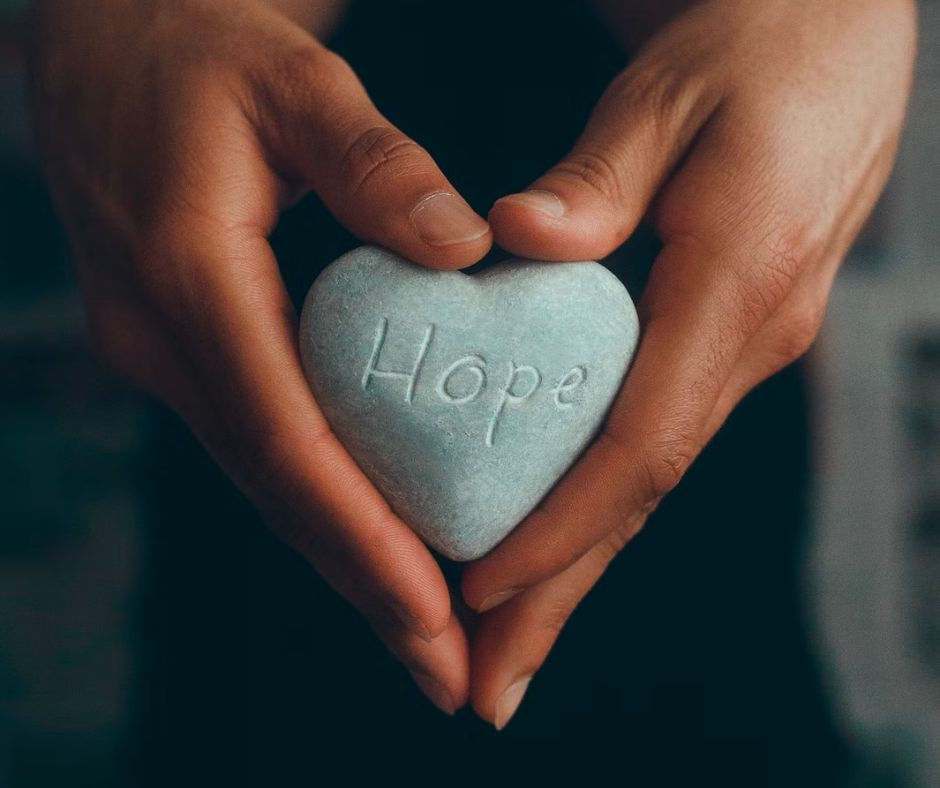
Hope is not simply a feeling that arrives in moments of clarity or inspiration—it’s a discipline that takes shape through small acts of persistence. Many people imagine hope as either present or absent, but in reality, it is something we build by returning to what matters even when motivation is low. Showing up for therapy, reaching out to a friend, or planning for the week ahead are all evidence of hope in motion, even if they don’t feel grand.
Hope becomes harder to access when exhaustion, grief, or trauma narrows the future into a series of survival tasks. In these moments, hope can feel unrealistic or even unsafe. But practicing hope doesn’t require denying pain—it simply asks that we leave a crack in the door for possibility. This could look like having a goal for tomorrow, imagining a different outcome, or acknowledging the small shifts we’ve survived before.
The practice of hope often begins in silence. It grows when we give ourselves permission to rest without labeling rest as quitting, and when we remember that healing requires spaciousness, not pressure. Hope can be nurtured through noticing: the way you keep showing up to work, how you care for your kids even on tired days, or how you allow yourself to feel again after shutting down for so long.
Hope is not loud. It doesn’t need perfect belief or constant positivity. It just needs room to breathe and enough compassion to try again. Even if today feels heavy, simply reading these words means there is still something inside you that hasn’t given up.


Comments