


School Refusal: Mental Health Roots and Support Strategies: Understanding the Causes and Offering Effective Support
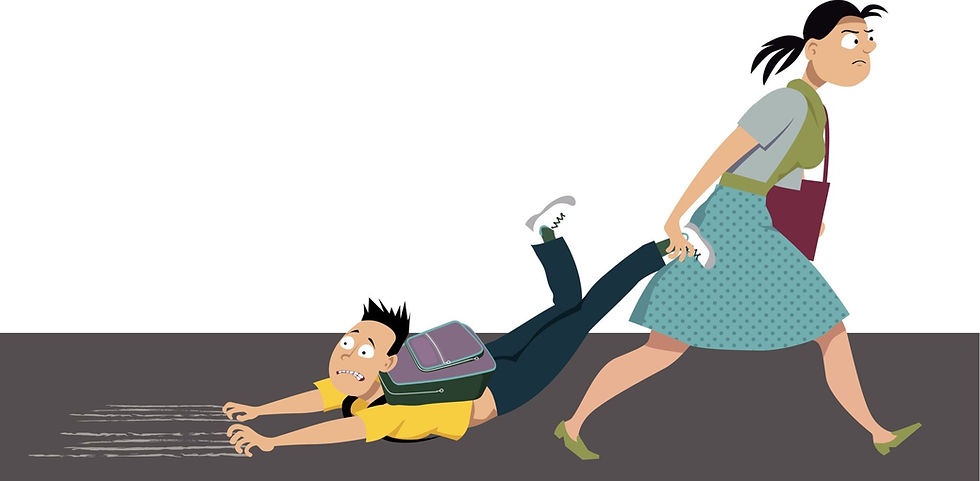
School refusal is a term used to describe a child’s reluctance or refusal to attend school. While many children experience occasional anxiety or reluctance about school, school refusal is more than just a temporary phase. It can be a sign of deeper mental health challenges that need attention and support. Understanding the root causes of school refusal and implementing effective strategies is crucial for helping children navigate these emotional struggles and get back on track.
In this blog, we’ll explore the mental health factors that contribute to school refusal, the impact it can have on a child’s development, and strategies that parents and educators can use to support children who are struggling with this issue.
1. What Is School Refusal?
School refusal refers to a child’s persistent avoidance of school, which may be accompanied by emotional or physical symptoms such as anxiety, panic attacks, stomachaches, headaches, or feelings of dread. It’s important to recognize that school refusal is different from truancy, which typically involves deliberate skipping of school. Children with school refusal are often deeply distressed by the idea of going to school, but they may feel trapped by their emotions, which prevents them from attending.
Some common signs of school refusal include:
Complaints of physical ailments, like stomachaches or headaches, especially on school days
Severe anxiety or panic attacks before or during school
Withdrawal from social interactions or avoidance of school-related activities
Frequent requests to stay home or leave school early
Extreme resistance to school-related routines (e.g., getting ready for school, leaving the house)
💡 Tip: It’s essential to approach school refusal with empathy and an open mind. Children who refuse school aren’t simply being difficult—they are often experiencing overwhelming emotional distress.
2. Mental Health Roots of School Refusal
Several mental health conditions and factors can contribute to school refusal. These challenges can affect a child’s ability to manage school-related stress, leading to avoidance behaviors. Understanding these mental health roots is critical to providing the right support.
Anxiety and Panic Disorders
Anxiety is one of the most common causes of school refusal. Children with anxiety may experience intense fear or worry about school, often due to social situations, performance expectations, or fears about bullying. In some cases, these children may experience panic attacks, which can cause them to physically avoid school altogether.
Depression
Children who are depressed may not feel motivated or interested in going to school. They may experience feelings of hopelessness, fatigue, or lack of concentration that make it difficult to engage in academic or social activities. This can lead to withdrawal from school or other activities they once enjoyed.
Social Phobia
Children with social anxiety or social phobia may fear being judged by peers, leading to intense fear of social situations such as group activities, public speaking, or lunchtime. This fear can contribute to school refusal, especially if the child feels overwhelmed by social interactions.
Bullying or Peer Issues
Bullying, whether physical or emotional, can have a profound impact on a child’s mental health. If a child is being bullied at school, they may develop feelings of dread or fear toward attending school. In some cases, school refusal can be a way for the child to avoid further victimization.
Separation Anxiety
Younger children may experience school refusal due to separation anxiety, especially when they are required to leave their parents or caregivers. These children may struggle with being away from home and may need extra support in managing their emotions around separation.
🔍 Tip: Identifying the root cause of school refusal is critical for tailoring the appropriate intervention strategies. If you're unsure of the underlying issue, consider consulting a mental health professional.
3. The Impact of School Refusal
School refusal can have a significant impact on a child’s mental health, academic performance, and social development. If left unaddressed, the consequences can become long-term:
Academic struggles: Missing school regularly can lead to falling behind academically, which can cause further anxiety and frustration for the child.
Social isolation: Avoiding school can result in missed opportunities for social interactions with peers. This can lead to feelings of loneliness and further social withdrawal.
Worsening mental health: As school refusal persists, the child’s anxiety or depression may deepen. They may become more reluctant to return to school, reinforcing the cycle of avoidance.
Parental stress: Parents may feel helpless, frustrated, or overwhelmed when their child refuses to go to school. This can add strain to family dynamics and increase stress levels for both the child and the parents.
💔 Tip: Early intervention and support are key. The longer school refusal is left unaddressed, the harder it may be to break the cycle.
4. Effective Support Strategies for School Refusal
Addressing school refusal requires a multi-faceted approach. Support should come from both home and school, and strategies should focus on easing anxiety, building resilience, and gradually reintroducing the child to the school environment. Here are some strategies to help:
1. Open Communication
Talk openly with your child about their fears and anxieties. Validate their feelings and let them know you understand that they’re struggling.
Work closely with the school to understand your child’s specific needs. Teachers, counselors, and school psychologists can provide valuable support in creating a safe and accommodating environment for the child.
2. Gradual Exposure
Gradually ease your child back into school. This may involve starting with shorter school days or allowing them to take breaks during school hours. Gradual exposure helps reduce anxiety and makes the transition less overwhelming.
Consider using a “soft start” approach where your child is able to go to school but gradually adjusts to a full schedule. For example, your child may start with one class or activity they feel comfortable with before returning to their full schedule.
3. Develop a Routine
Routines create a sense of stability and predictability. Develop a consistent morning routine to reduce stress and anxiety about school. This can include relaxation techniques, like deep breathing or visualization, to calm nerves before leaving for school.
Establishing an after-school routine is also essential for helping your child unwind and relax after a stressful day.
4. Create a Safe Space at School
Work with the school to ensure that your child feels safe and supported. This may involve creating a safe space within the school where your child can go if they feel overwhelmed, such as a quiet room or the school counselor’s office.
Encourage teachers to provide positive reinforcement when your child attends school, acknowledging their effort and progress.
5. Seek Professional Support
If school refusal is linked to deeper mental health concerns such as anxiety, depression, or trauma, it may be necessary to seek help from a mental health professional. A therapist or counselor can work with your child to develop coping skills, challenge negative thought patterns, and build emotional resilience.
Cognitive Behavioral Therapy (CBT) is particularly effective in addressing anxiety and school refusal. CBT helps children identify the thoughts and behaviors that contribute to their anxiety and teaches practical coping strategies.
6. Encourage Positive Peer Interactions
Help your child reconnect with friends or form new friendships through after-school activities, sports, or clubs. Positive social interactions can increase their confidence and make the school environment feel more welcoming.
🌟 Tip: Be patient. School refusal is a process, and recovery takes time. Celebrate small victories along the way, such as attending school for a few hours or successfully managing a stressful situation.
Final Thoughts: Breaking the Cycle of School Refusal
School refusal can be a challenging issue for both children and parents, but with the right support and strategies, it is possible to break the cycle and help your child re-engage with school in a healthy and positive way. By addressing the mental health roots of school refusal, communicating openly with the school, and providing gradual exposure and consistent support, you can help your child regain their confidence, overcome their fears, and thrive academically and emotionally.
If school refusal persists, don’t hesitate to reach out to mental health professionals who specialize in childhood anxiety and behavioral challenges. With the right intervention, children can learn to manage their anxiety and return to school feeling secure and supported.


Comments